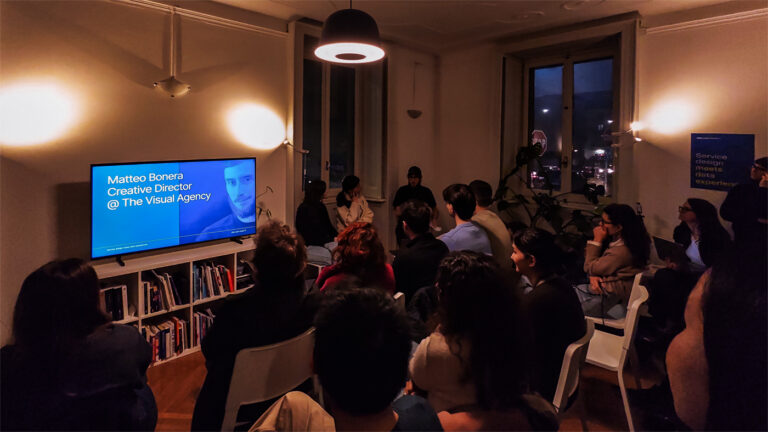
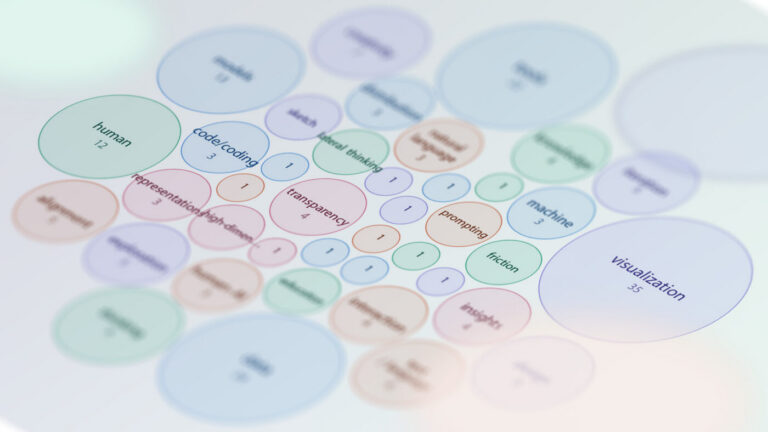
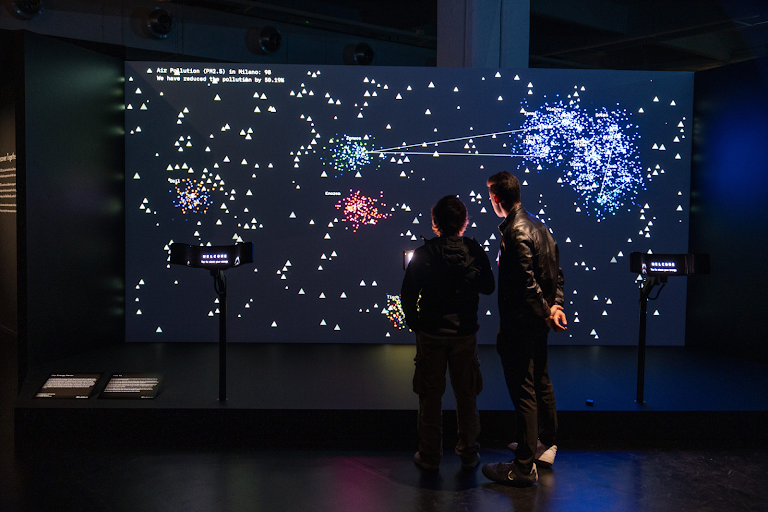
A week between Harvard, Northeastern and MIT offered an opportunity to explore some of the conversations currently shaping data visualisation, information design and AI. Paolo Ciuccarelli, Professor of Design at Northeastern University, took part in the events, gathering encounters, perspectives and ideas from his week in Boston.
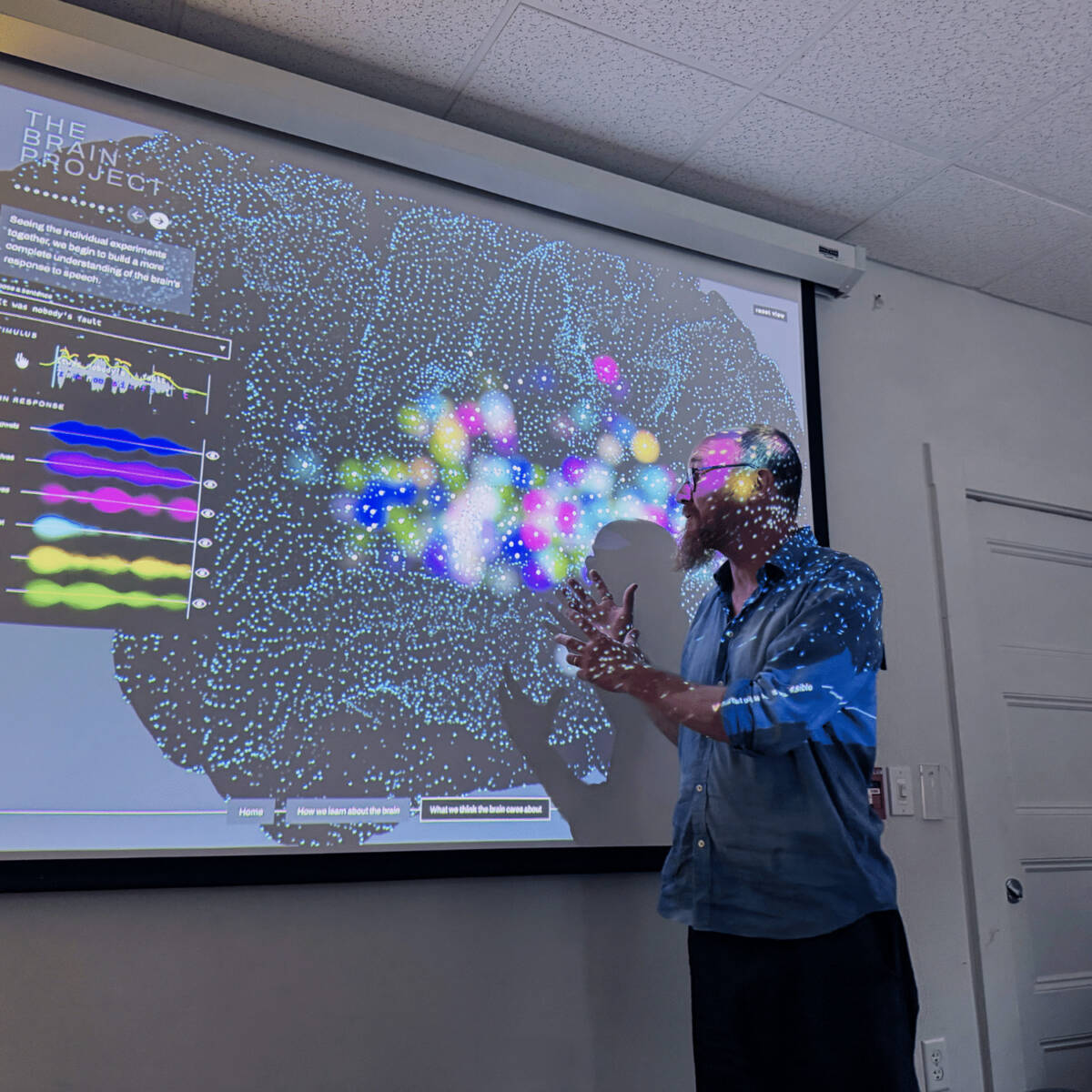
At Harvard’s metaLAB, Stamen’s Eric Rodenbeck discussed archives, LLMs and data visualisation through a series of oppositions, all pointing towards the importance of staying with complexity rather than flattening it. Instead of using visualisation simply to eliminate uncertainty, we can learn to understand it; instead of measuring only accuracy, we can consider drift; instead of designing exclusively for control, we can design for uncertainty. Rodenbeck extended a similar approach to AI, considering it as a design medium rather than looking only at the accuracy of its outputs.
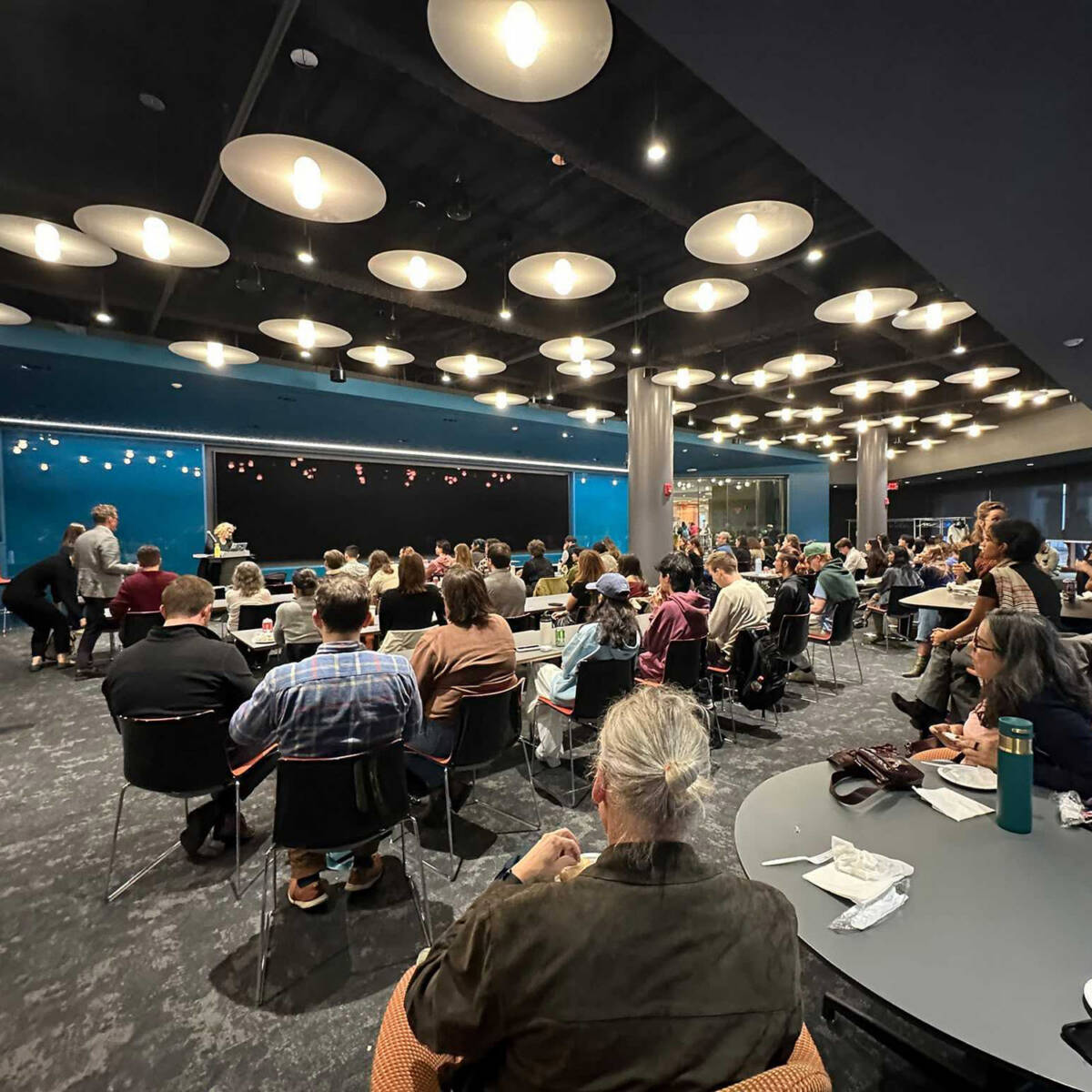
At Northeastern University, during an event organised by the Digital Civics Initiative, the conversation moved towards the nature of data itself. danah boyd’s Data Are Made, Not Found starts from an important premise: data is not simply “there” waiting to be collected. It is produced through decisions, classifications, estimates and compromises. Even apparently objective information, such as census numbers, can sometimes be estimated or deliberately altered to protect people’s privacy.
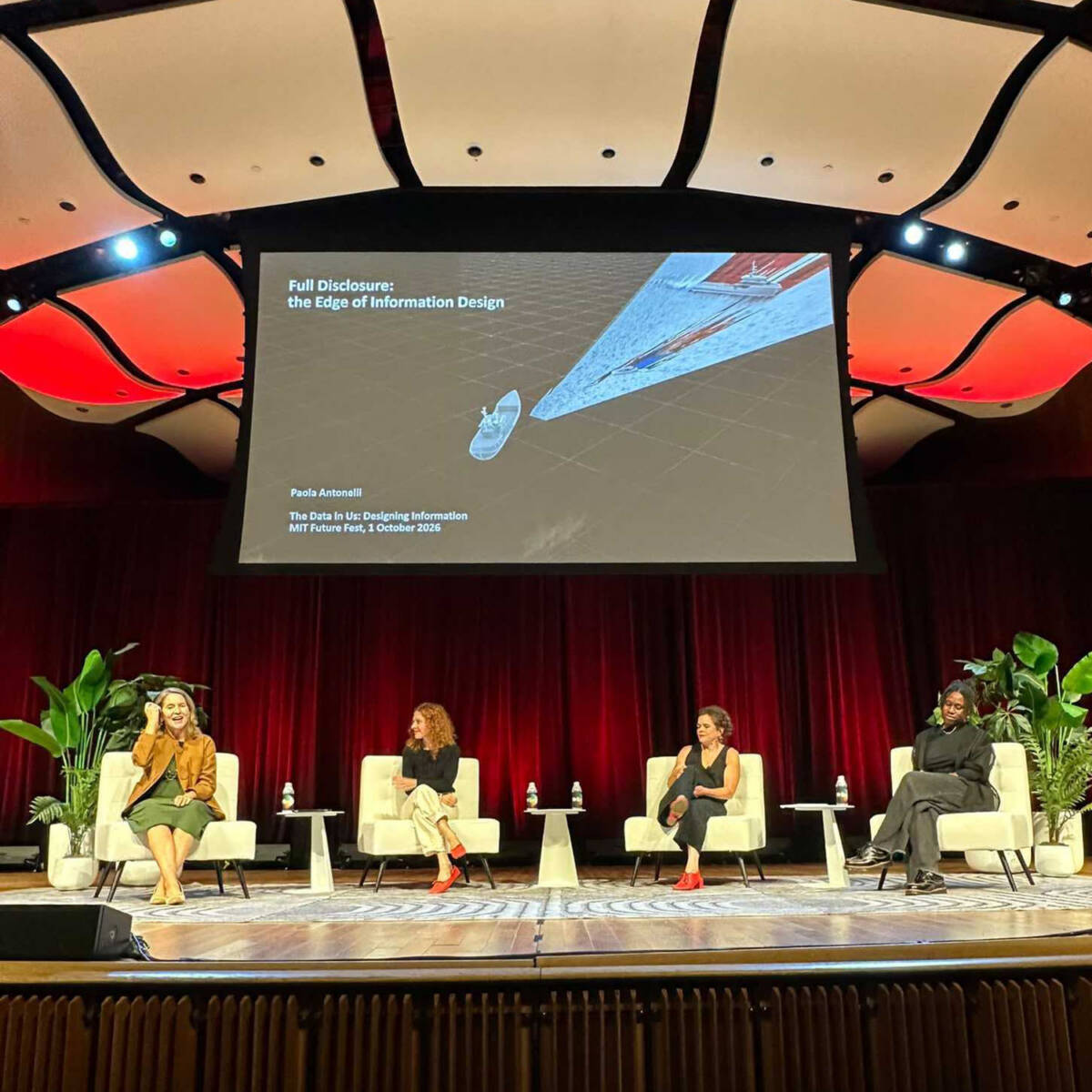
The week continued at MIT Future Fest, where Giorgia Lupi joined The Data in Us: Designing Information, a panel moderated by Paola Antonelli. The discussion included Speak Data, Lupi’s latest book with Phillip Cox, based on 17 conversations with people from art, technology, medicine and business about what data means to them.
It connects with a question Paolo also uses to begin his courses: what is data, really? Before visualising or interpreting it, we need to question its nature and understand the context in which it was produced.
During the panel, Mimi Ọnụọha brought another dimension into the conversation: absence. Her Library of Missing Datasets explores what the data we do not have might reveal about our societies and systems. This perspective also connects with Absent Data, Tiziana Alocci’s forthcoming book, to which Paolo contributed an interview.
Finally, Sarah Williams shared stories from the Civic Data Design Lab’s work on Central American migration, demonstrating how information design can connect quantitative evidence with the wider economic and social realities behind it.
Across Harvard, Northeastern and MIT, one idea kept resurfacing: data is never simply “found”. It is made, selected, interpreted and shaped by context. And sometimes, what is missing can tell us just as much as what is there. Quite a week for an information design addict. 😎