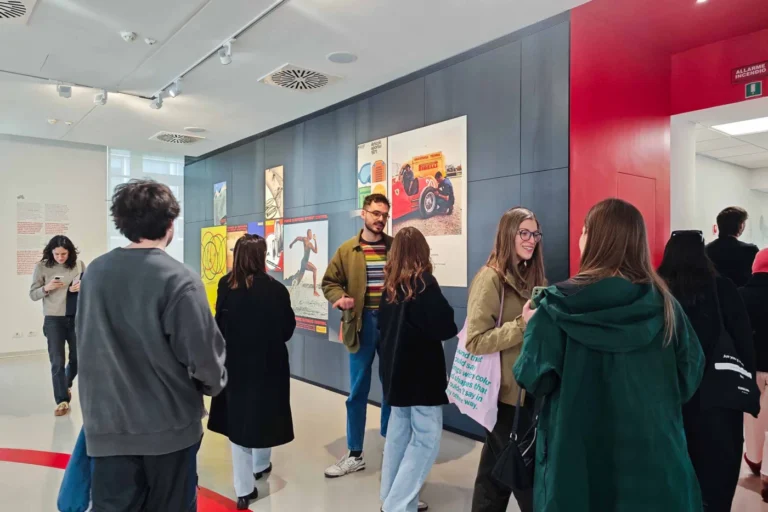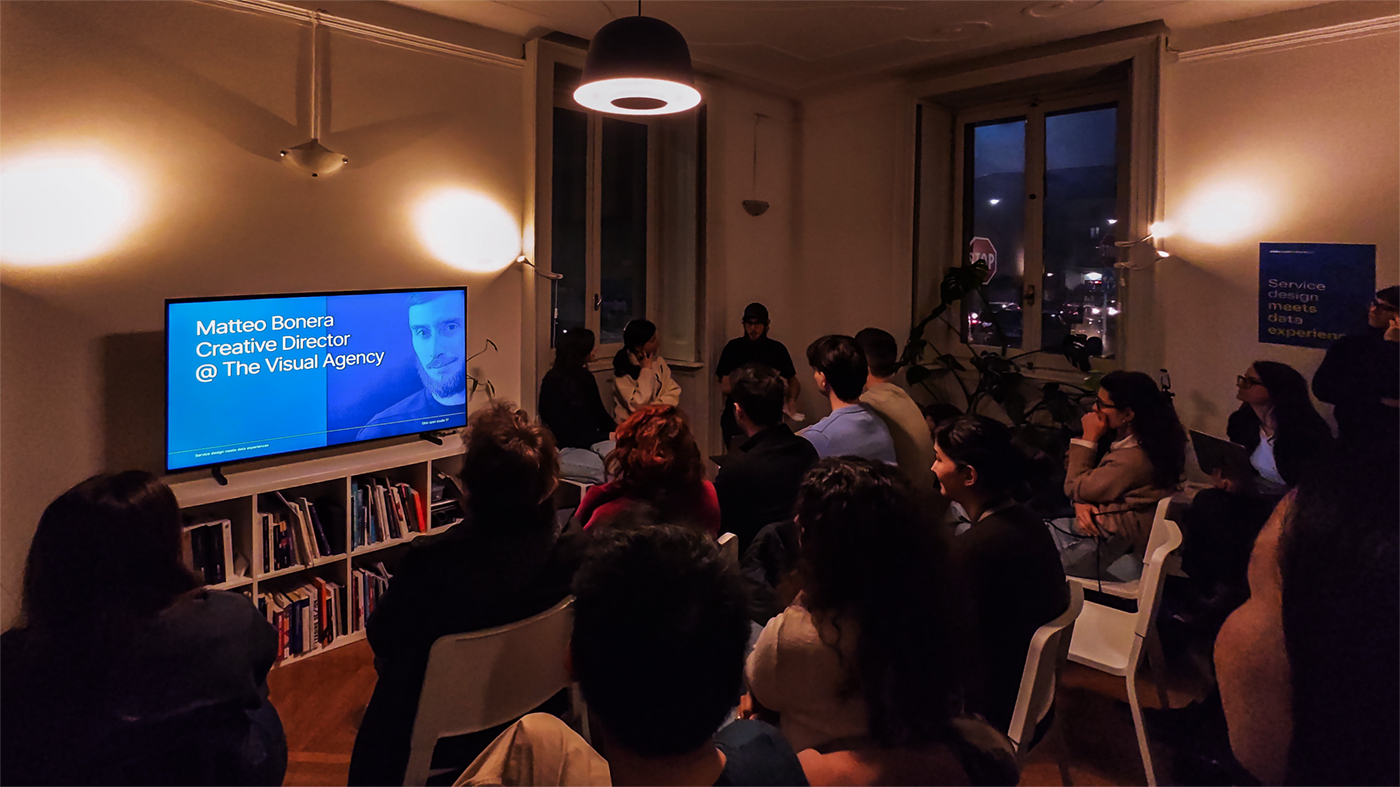
In a dense 90-minute session, Matteo Bonera, Creative Director at The Visual Agency, joined forces with experts from Oblo and Fight Beanto tackle a question that is deceptively simple yet deeply layered: What does it actually mean, today, to design experiences where data isn’t just a silent guest, but the lead actor?
If you missed the live session (or want to relive the vibe), you can catch the full stream here:
Beyond the AI Hype: The Raw Material of Design
In an era where every technological conversation seems to inevitably collapse into Artificial Intelligence, this meetup —spearheaded by the vision of Matteo Bonera, Roberta Tassi, and Chiara Albanesi— took a different, perhaps more courageous, path. We talked about data. Specifically, how it is communicated, exposed, digested, and ultimately transformed into user value.
The panel, brought together three complementary perspectives:
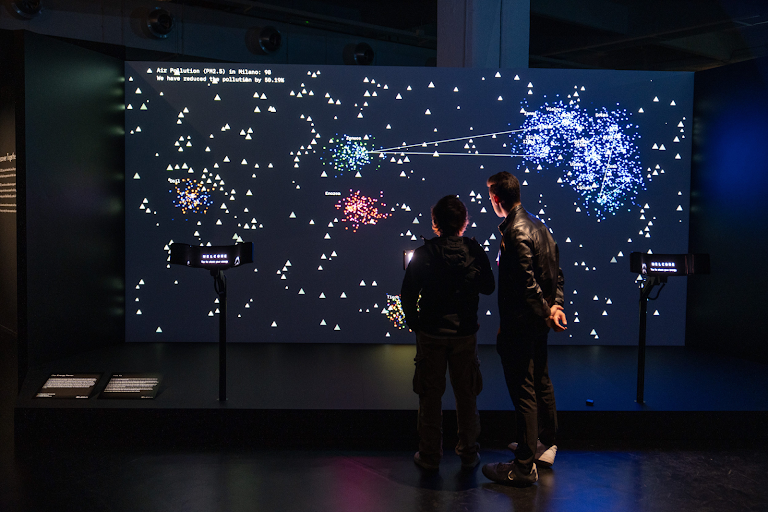
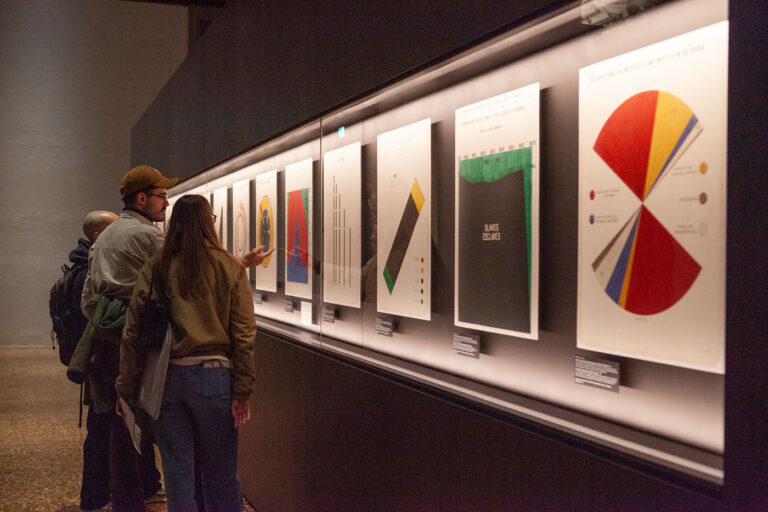
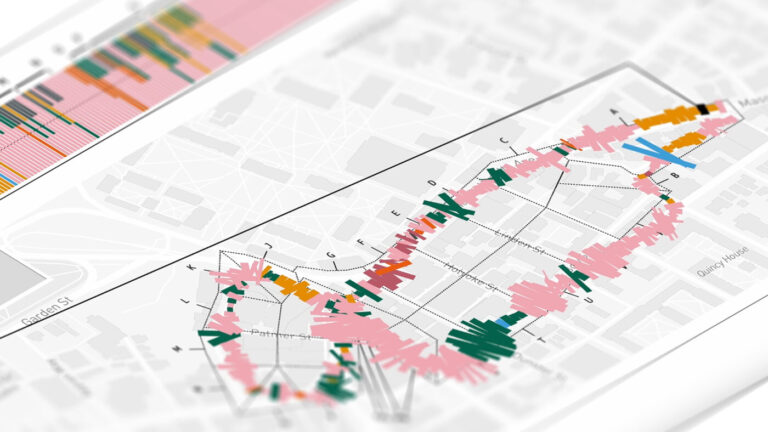
- Matteo Bonera (The Visual Agency): Focused on the communication of data. His intervention highlighted a fundamental truth: a data point that isn’t understood is a data point that effectively doesn’t exist. He explored how visualization acts as the vital bridge between complex datasets and human decision-making.
- Federica Pecorari (Fight Bean): Explored the challenge of making data “actionable,” turning abstract numbers into levers for behavioral change.
- Alessandra del Nero (Oblo Studio): Brought the pure Service Design lens, where data serves to map journeys and give substance to human interactions.
- Three Challenges for the Everyday
From the talks emerged three “hot takes” that anyone working in design today faces every morning at the coffee machine:
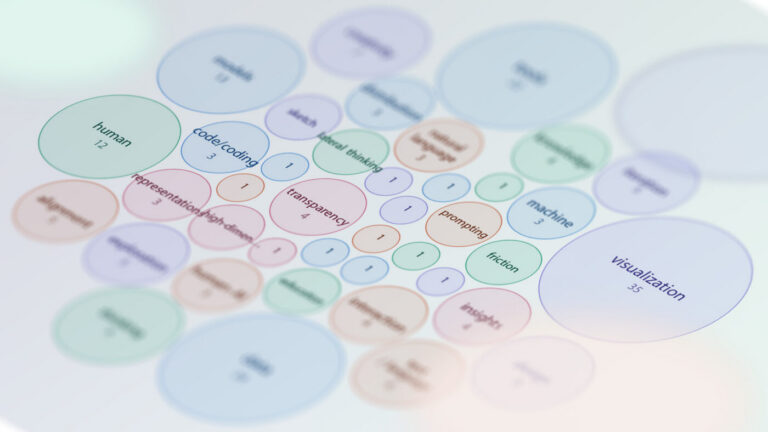
- Data Exposure: It’s not enough to visualize; you must narrate. The challenge lies in finding the equilibrium between dataset complexity and the clarity required for decision-making.
- Data as Living Matter: Designing with data means embracing uncertainty. Unlike a static interface, a data-driven experience shifts, evolves, and reacts in real-time.
- The Ethics of Transparency: How do we expose data without inducing “dashboard fatigue”? The answer lies in curation: fewer infinite charts, more meaningful insights.
“Designing a data-based experience isn’t just about showing numbers—it’s about building the invisible bridge between raw information and human comprehension.”
Design is (Still) a Matter of Relationships
The event at Oblo confirmed a fundamental truth: whether we are mapping a public service or visualizing complex financial flows, the user remains the North Star. Data is the tool; the experience is the goal.
As Service Design continues to cross-pollinate with adjacent disciplines, gatherings like this remind us that technology is only half the battle. The other half is our ability to make sense of what we see.